
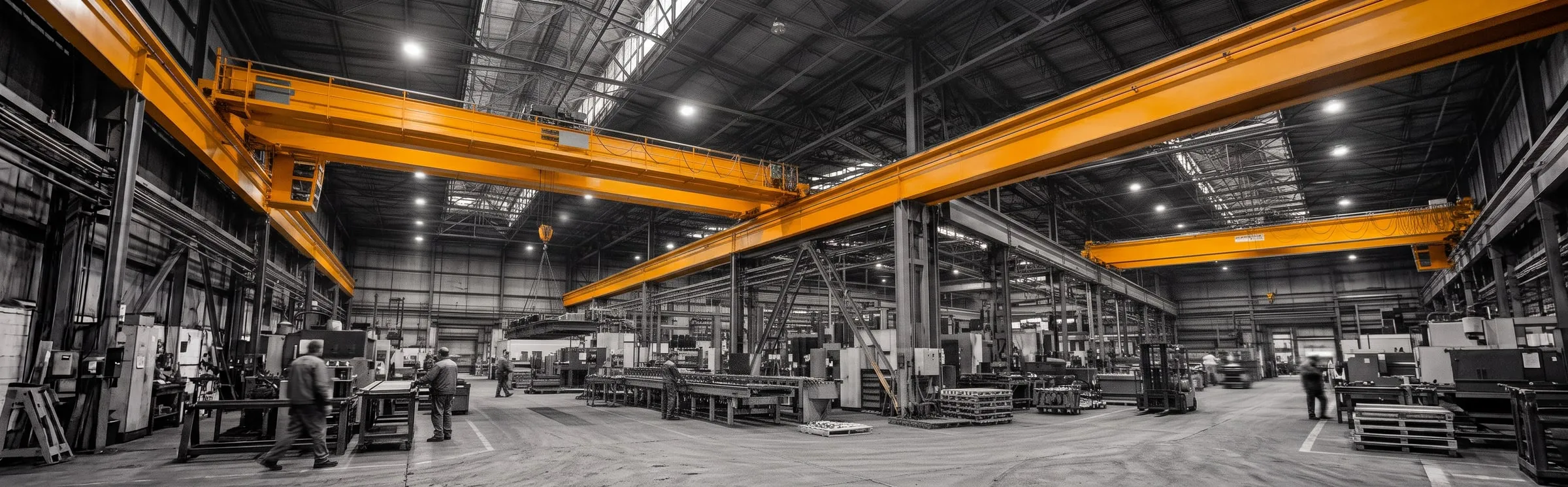
Crane Systems
Single and double girder overhead cranes, monorail cranes, trolley hoists and end carriages, engineered and manufactured to your project.
Crane Systems
7 products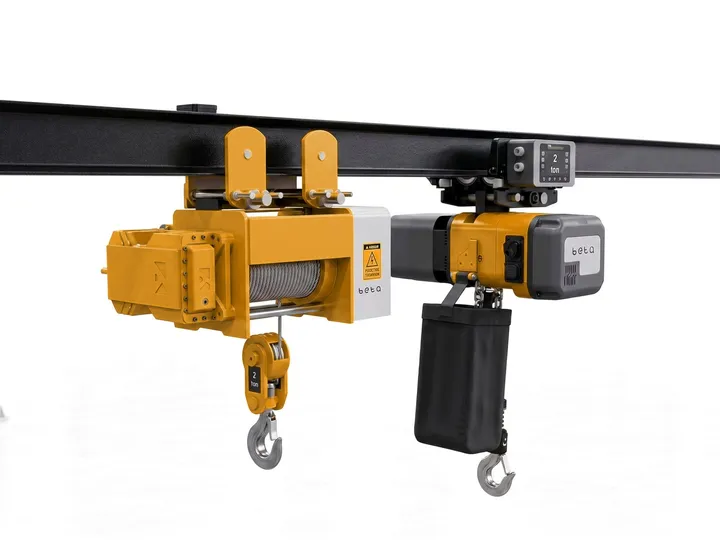
Monorail Crane
- Capacity500 kg – 16 t
- Lifting Height1 – 20 m (and above)
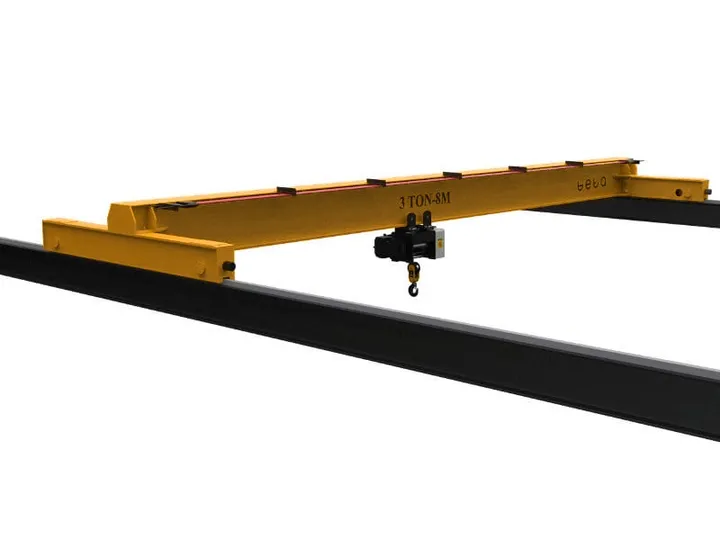
Single Girder Overhead Crane
- Capacity1 – 16 t
- Lifting Height1 – 20 m (and above)
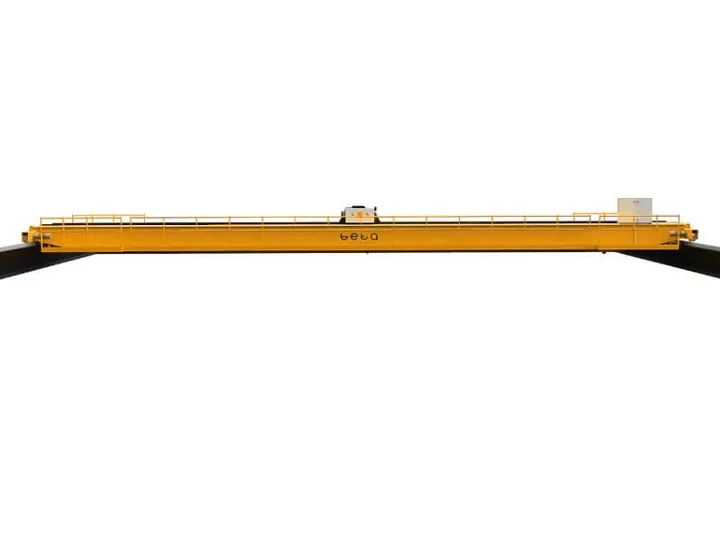
Double Girder Overhead Crane
- Capacity5 – 40 t
- Lifting Height8 – 24 m (and above)
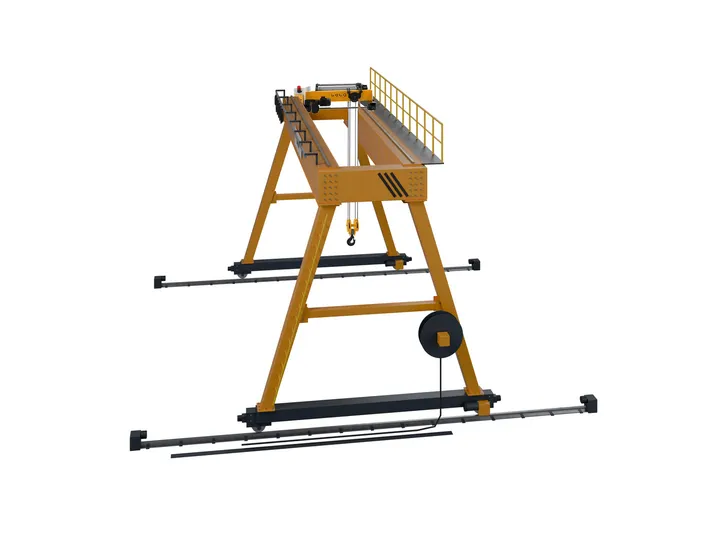
Gantry Crane
- Capacity1 – 40 t (project specific)
- Lifting HeightProject specific
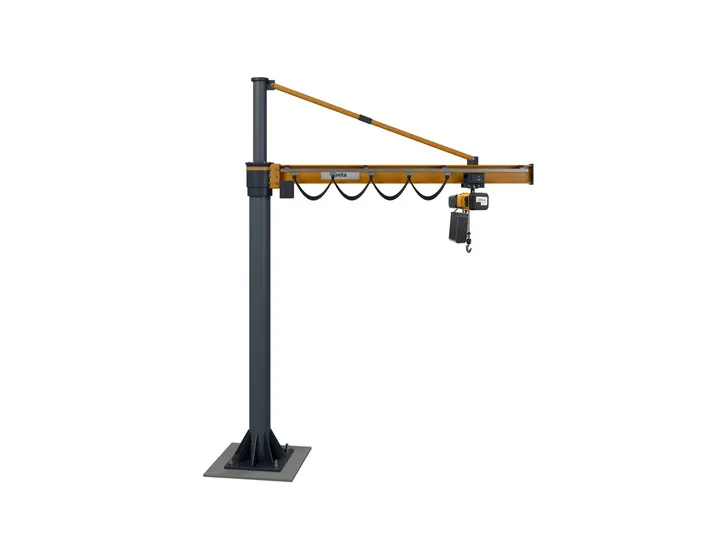
Jib Crane (Slewing Jib Crane)
- Capacity250 kg – 5 t (project specific)
- Lifting HeightProject specific
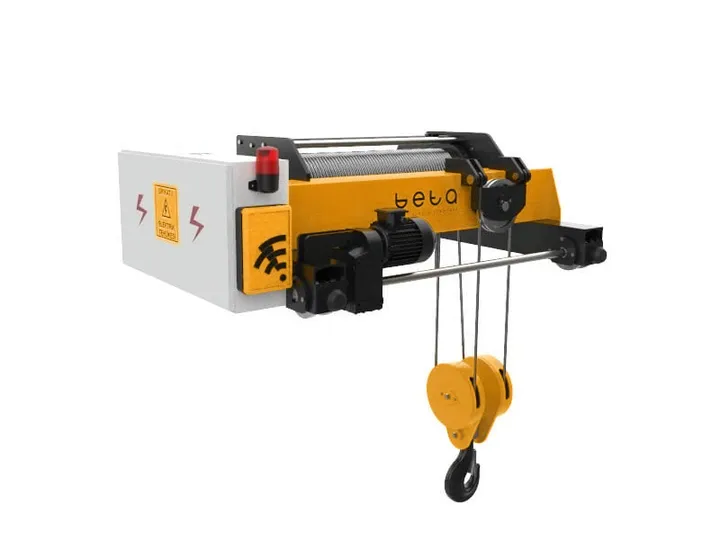
Crane Trolley Hoist
- Capacity1 – 32 t
- Lifting Height1 – 18 m
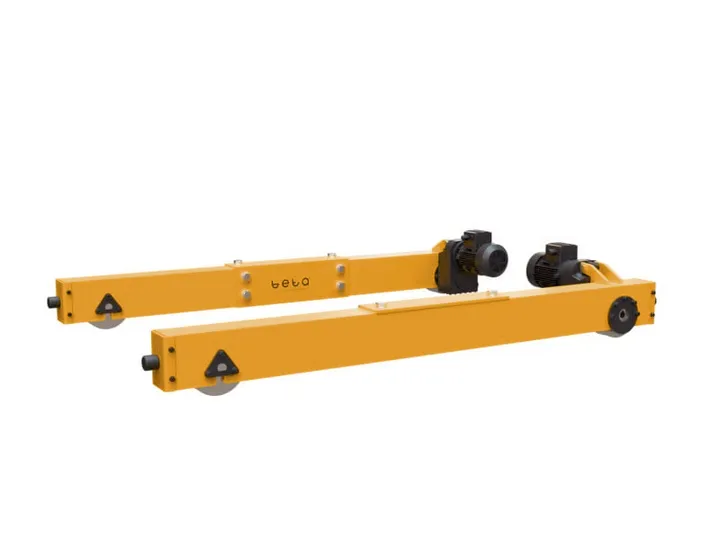
Crane End Carriages
- Capacity1 – 32 t
- DriveMotorised, with gearbox
About this category
Crane systems are permanent lifting solutions that carry the load to any required point of a bay or line. Single and double girder overhead cranes cover the whole bay; monorail cranes carry the load along a single line; trolley hoists and end carriages are the main components of these systems.
Slewing jib cranes for workbenches and loading points, and gantry cranes travelling on floor rails for outdoor yards and bays without a runway, are also in this group.
Every system is calculated for the load, span, lifting height and intensity of use (FEM / ISO duty class) and manufactured for the project.
Beta Crane builds single girder overhead cranes for 1–16 tonnes and 3–20 m span, double girder cranes for 5–40 tonnes and 6–40 m span, and monorail systems for 500 kg – 16 tonnes. Gantry cranes (1–40 t) and jib cranes (250 kg – 5 t) are designed per project. All systems are calculated to FEM / ISO standards and delivered with inverter drives and safety devices such as limit switches and overload protection.
You deal with one partner from survey to installation: the bay is measured on site, the runway is fabricated and laser aligned if needed, and the crane is load tested and commissioned after installation. Periodic maintenance, breakdown service and spare parts come from the same team afterwards.
Overhead cranes are used in metalworking, steel structures, mould and machine manufacturing, automotive supply, warehousing and logistics to carry loads to any point of the bay. Monorails are preferred on assembly lines and loading bays, jib cranes at workbenches and machines, and gantry cranes in outdoor stock yards and buildings that cannot carry a runway.
Choosing the right system
Where will the load go?
If every point of the bay must be reached, choose an overhead crane; if one line is enough, a monorail crane.
Capacity and span
Single girder suits light to medium loads and medium spans; double girder suits heavy loads, wide spans and intensive use.
Lifting height
On a double girder crane the hook rises between the girders, giving more lifting height under the same roof.
Supporting structure
If the bay has no columns or corbels to carry a runway, the runway and columns are added to the project.
Frequently asked questions
What determines the price of an overhead crane?
Capacity, span, lifting height, duty class, whether a runway is needed and the control options set the price. A firm quotation is given after an on-site survey.
Can a crane be installed in my existing building?
In most cases, yes. The load capacity of the columns and roof structure is checked; if needed, a runway with its own columns is built.
Is periodic inspection required after installation?
Yes. By law, lifting equipment must be inspected at least once a year; under intensive use the interval is shorter.
Tell us about your project. We will define the right crane together.
Send us your capacity and span for a tailored offer. Call our service line for breakdowns.